Friday, September 19, 2008

Libertine Dream-Lit Soul (CD Review)


Libertine Dream, the brainchild of musician/poet Rob Chevelle, is a rare bird in today’s musical climate. A collection of 15 hard rock songs with genuine poetry dotting some of the tracks, it bucks the indie/emo/screamo trends and honors unadorned rock with reflective lyrics in the vein of the Cult.


The CD has that hard rock attitude complete with acoustic interludes, thoughtful poetry and heartfelt (but not heavy-handed) political statements. Libertine Dream combines all these elements seamlessly. Instead of implementing the mishmash approach of throwing in an acoustic song here, a rocker there and some poetry over there, Chevelle and co-producer Eliot Waldhorn obviously put a lot of time and thought into arranging the CD to flow together well. Although Chevelle handles vocals, guitar and percussion, there’s a lot to be said for Waldhorn’s guitar playing and drummer Zag Richards, who complement Chevelle’s vision and lyrics with their steady musicianship. And there’s even a metal guest star--Chris Holmes from WASP contributes the guitar outro to “Alliance”, the final song.


There are glimpses of Helmet and even Metallica in songs like “Eternal.” The two part “Outcast” begins with a lilting acoustic poem and segues into melodic metal for the closing half. “Dreams” does have a soothing, dream-like quality and lends itself to listening via candles and incense in the background. This tune definitely has a psychedelic 60s’ Doors vibe.


Libertine Dream is the third CD in the “Lit Soul” trilogy. Seven Worlds, released in 2002, was Chevelle’s initial foray into poetic hard rock, while 2005’s Lit Soul-Poetry focused mostly on Chevelle’s stream of consciousness poems (accompanied by guitar and piano).With Libertine Dream, Chevelle’s Lit Soul concept has matured and it’s worth checking out if your like your rock with a twist of poetry.


MySpace:


www.myspace.com/litsoul

www.litsoul.com


Saturday, May 31, 2008

Deja Vu All Over Again

It seems REO Speedwagon isn't the only mainstream/arena rock band from my youth marred by battles between the singer and guitarist. Click the link above to read interviews with Steve Perry and Neal Schon of Journey. I can't expound much on this band or their internal squabbles since I'm not as familiar with their history as REO's, but Steve Perry could sing like a mofo. And he looked like a cross between Cher's twin brother and a sexy elf (sorry, couldn't resist). Plus, he's a Ramones fan-he attended the Ramones 30th Anniversary Show at the Avalon in HW a few years ago.

The megahit incarnation of Styx ended badly as well...Chuck Panozzo, their former bass player, was diagnosed with HIV and left the band in 1998. Singer Dennis DeYoung exited the band shortly thereafter and a flurry of lawsuits ensued between him and guitarists James Young and Tommy Shaw. Shaw and Young are now touring with a replacement singer and drummer The original drummer, John Panozzo, Chuck's twin brother, died in 1996 after years of alcohol abuse.

I don't even wanna know what happened to Foreigner...

Cartman sings "Come Sail Away"


Sunday, April 20, 2008

Underrated Guitarists of the 1970s/Early 80s, Vol. 1-Gary Richrath


As a kid growing up on the Southwest side of Chicago, I liked all kinds of music. I had my new wave/punk friends, who wrote poetry and dreamed of living in New York or Los Angeles, and we traveled to the North side to see bands like the Pretenders, the Patti Smith Group, the Waitresses, Wreckless Eric and the Police.

Then I had my mainstream friends who smoked pot, drank beer and got promoted in their retail sales clerk jobs. We’d go to all the arena rock concerts at places like Soldier Field to see bands like the Stones, Peter Frampton, Ted Nugent, Cheap Trick, Blackfoot, and, before they turned into mush, REO Speedwagon.

A few days ago, I happened upon a video of REO on the Midnight Special from 1978. I kept playing the video over and over-not to see Kevin Cronin’s Howard Stern-esque hair, but to marvel at Gary Richrath’s guitar playing.

Roll With the Changes-Midnight Special, 1978?


“Listen to that tone! I wanna hear that again. It sounds so good.” I clicked 'Play again", instantly transported back to the International Amphitheater in 1979. Damn, and couple that with the keyboard solo, you've got a straightforward rock 'n' roll sound that defies sub-genre classification. I don’t care if you’re a jazz snob or a punk rock snob, ya gotta admit, that band could play! I watched the video so many times I resorted to reading the comments posted underneath it. The posters actually had something to say and most of them were pretty funny.


The YouTube comments made me peruse the REO Speedwagon fan websites and discussion groups. Most of the website comments were written by an intelligent bunch of diehard middle-aged fans, and no one seemed to like the new “playing in your local Wal-Mart parking lot” version of the band. Seems that only causal fans like the current version of REO Speedwagon.

Some of what I read broke my heart, being a fan of their music and soft-hearted when it comes to human melodrama. I’m over it now, but it seems ironic that a band whose music made me so happy and gave me hope when I was a depressed teen could turn out to be so dysfunctional, troubled, and/or petty as real people. The main complaints on the fan message boards concerned Kevin Cronin, the lead singer, who hails from my old childhood haunt, Oak Lawn, Illinois. I used to brag about that to people. Of course, the guitar player from Disturbed is also from Oak Lawn…errr.. maybe I’d be better off not mentioning Oak Lawn at all. There were mucho comments about Cronin’s ego and substance abuse, Richrath’s drinking and “too many girlfriends”, the keyboard player’s mental breakdown, etc. Then there were the lawsuits, one of which resulted in the band apologizing to their fans on the official website, and then the fan club president sued them for insinuating she was a lesbian. It’s like a pathetic, humorless version of Spinal Tap.

So let’s talk about happier times.

"All of a sudden out of the clear blue sky, the telephone rings…"


Ahh, the 80s, the height of rock star fashion…Somewhere else, but not here..dig those melon-colored parachute pants..

157 Riverside Avenue-1985


I only cared for three REO albums-- You Get What You Play For, You Can Tune A Piano But You Can’t Tuna Fish (such innocent times! People actually thought that was a clever title) and Nine Lives. I adored Nine Lives because it was REO’s “heavy metal” guitar based album. But alas, the music public at large didn’t prefer the hard rockin' REO. Hi Infidelity was released in late 1980 and would forever connect REO with Styx and Journey in the unholy triumvirate of wimp rock.

I didn’t get into that album like the previous ones. After the opening rocker, “Don’t Let Him Go” I lost interest. I bought the next album, Good Trouble, then moved to L.A. and didn’t care anymore. When I glanced at the band’s overproduced mid-80s videos on MTV, REO had morphed into a generic shadow of the rockers I first discovered on a bill they played with headliner Lynyrd Skynyrd.

Each succeeding REO music video featured more and more of Cronin, with Richrath’s guitar and his beautiful dark blonde curls (sigh) hidden in the background, trying to salvage what was left of the “rock” part of “rock band.” Then drummer and founding member Alan Gratzer retired and Richrath was fired. REO soldiered on, and after a few years of low-selling albums on small labels, Wal-Mart parking lots and classic rock tour packages with Journey and Styx beckoned. As for Richrath, he played small clubs with his own band in the ‘90s, then disappeared completely.

A friend dared me to watch the following video, and said he’d give me 20 bucks if I could get through the whole thing. I couldn’t do it.


Come back, Gary Richrath, we need you.

Nixon's Ghost-Tribute to Gary Richrath


Thursday, July 12, 2007

Broken English-A Film by Zoe Cassavetes


Broken English
Written and Directed by Zoe Cassavetes
Starring Parker Posey, Drea de Matteo, Gena Rowlands, Melvil Poupaud
Rated PG-13
3 Stars


Review

Zoe Cassavetes’s introspective romantic comedy “Broken English” will ring true for 30-something career women in large cities more than the designer-driven fairy tales of Sex and the City, or garden-variety romantic comedies. Indie darling Parker Posey, usually known for her ribald characters, plays sweetly neurotic Nora Wilder , a somewhat shy guest relations manager at a Manhattan boutique hotel. Serial dater Nora’s Mom (played by Cassavetes’s real-life Mom, Gena Rowlands) constantly reminds Nora that she’s still single, even setting her up on a disastrous blind date. Nora’s spunky best friend (The Sopranos Drea de Matteo) Audrey is guilty of the same set-ups as Nora’s Mom. Nora’s love life is further hampered by the fact that she plays “third wheel” to Audrey and her hubby Mark (Tim Guniee) a little too often.

Nora has a cushy job and a spacious apartment (without a roommate!) in Manhattan, but she doesn’t have any luck with men. A high maintainence actor (Justin Theroux) staying at the hotel where Nora works takes her to dinner, bores her with acting talk, and a couple of sakes later, they’re in bed. Nora’s new beau is later exposed as a cad on an Entertainment Tonight type show, and that’s another name marked off Nora’s potential husband list

Posey’s nuanced performance drives the film, and makes even simple details come alive. When Nora is getting ready for a party, waiting for her facial masque to dry while meditating, we can almost feel her quiet desperation. Likewise, the scene where Nora twirls her hair, disinterested, while a date describes himself, rings true to any woman who’ve been through the dating grind and back again.


Eschewing a trip to Miami with Audrey and her husband Mark, Nora reluctantly goes to a co-worker’s Fourth of July party and deals with the usual schlubs before being coerced to stay by Julien (Melvil Poupaud), a charming but eccentric Parisian. They hang out together, and Nora actually has fun with him (unlike her other dates) before any romantic interlude occurs.


The friendship between Audrey and Nora is fiber that holds Nora together during her most neurotic times. Feisty Audrey’s marriage to show biz exec Mark turns sour, and she accompanies Nora on a spur of the moment trip to Paris sans her wedding ring. Despite being charmed by a married Frenchman on her brief visit, Audrey decides to give her marriage another try.

Nora, the emotional opposite of self-assured Audrey, finally forces herself to take a stand and stay in Paris to find Julien on her own. A series of coincidences that seem a tad too convenient aid her search for him.

A charming indie chick-flick, Broken English avoids the sappiness and slapstick comedy of mainstream romances, and focuses on Nora’s insecurities and her desire to overcome them. Career women in their late 20s and 30s will identify with Nora and Audrey, and the slice of life Paris and New York scenery lend the film an air of authenticity. The cities are as much a part of the film as the characters, not included as a backdrop or travelogue.

A promising feature debut from Zoƫ Cassavetes, what Broken English lacks in originality it makes up for in spirit.


Sunday, April 22, 2007

How Sassy Changed My Life: A Love Letter To The Greatest Teen Magazine Of All Time


How Sassy Changed My Life: A Love Letter To The Greatest Teen Magazine Of All Time
By Kara Jesella and Marisa Meltzer
Faber And Faber, Inc.
Paperback, $18.00


The WWW was still a glow in computer geeks’ eyes, and Teen, YM and Seventeen were the mags of choice for American girls in the late 1980s.Long after the rise of feminism and the sexual revolution, even several years after Madonna had exposed her belly and bangles for girls to emulate, mags for young women still focused on diets, prom dresses, and recipes, not the reality of everyday teen life in America.

Enter Sassy. Sandra Yates founded the magazine as an Americanized version of the much raunchier Australian teen mag Dolly. Jane Pratt, a 24 year old North Carolina native, became Sassy’s first editor, and along with staff members like Christina Kelly, Margie Ingall and Catherine Gysin, created the most infamous and influential teen magazine ever. Writing in their own distinct, first-person voices, Sassy writers connected with their teen-age audience Staid journalism school reportage and glib PR exercises filled with exclamation points had no place in Sassy’s pages. The magazine featured articles and reader letters about subjects such as homosexuality, incest, safe sex and abortion, and dared to include models who weren’t corn-fed and squeaky-clean.

That might all seem run of the mill now, but consider this. Sassy debuted in 1988, the year in which clean-cut mall chicks Debbie Gibson and Tiffany shared the charts with brain dead, groupie-banging metalers like Poison and Motley Crue. Movies like Rain Man, Big, and Scrooged were box office hits, and underground artists and funky, creative high school kids endured hard times and ridicule, not instant Internet fame.


Authors Marisa Meltzer and Kara Jesella chronicle the rise and fall of Sassy in How Sassy Changed My Life: A Love Letter To The Greatest Teen Magazine Of All Time.”
Meltzer and Jesella are among the young women who grew up with Sassy and revere the magazine to this very day. In this meticulous but not overwhelming history, they interview former staffers, readers and even some of the celebrities who graced the ground-breaking mag’s covers and articles. Despite their obvious admiration for “the greatest teen magazine of all time”, the authors cover the in-fighting and negative aspects of Sassy’s reign as well as the pajama party hijinx.

Photo Sharing and Video Hosting at Photobucket

In the late ‘80s and early ‘90s, Sassy, along with Spy, exemplified the nascent trend of the snarky celebrity put-down that is lovingly taken to the extreme today by web sites like Gawker and Defamer. Even Pratt’s successive magazine, Jane, kowtows to the bland celebrities that Sassy dismissed. Christina Kelly was infamous for articles that pondered the appeal of “bands” like New Kids On The Block or exposed TV starlets like Tiffani Amber Thiessen as airheads. The latter interview prompted an angry letter from the actress’ publicist. Notice this 1989 quote from Christina:

“What is wrong with our society that we elevate sleazoids to celebrity status, take their opinions seriously, and make them rich?”

*Sigh.* Some trends are as all-consuming in 2007 as they were in 1989. Sassy’s well… sassy railing against dumb celebrities didn’t put it out of business, but mainstream pundits threatened to destroy the magazine. Right wing curmudgeons almost put the mag out of business by urging advertisers to boycott because of the magazine’s many sexually frank articles. Meltzer and Jesella explore the constant battles Sassy waged with the religious right, mainstream America, and even some of their own sales reps and publishers.

Meeting the fate of so many other magazines, Sassy was eventually sold by Lang Communications to Peterson Publishing, which proceeded to drive the mag into obscurity, and it folded in 1996. Some things aren’t meant to last. They are too unique, too indicative of a certain time and mind-set which is forever lost. Sassy was one of those things.

Luckily, we now have the Sassy-influenced Bust, Bitch and Venus Magazine to speak for independent, feisty girls and young women. More of today’s teen-age girls need to embrace these magazines the same way girls in the 80s and early 90s embraced Sassy. Many social stigmas have vaporized for young women since Sassy’s debut, but other pressures and barriers, like political correctness and the vapid Girls Gone Wild culture have replaced them.


Wednesday, February 28, 2007

Heavy Metal And Its Culture: Interview With Deena Weinstein


Deena Weinstein, a professor of sociology at DePaul University in Chicago, is the author of Heavy Metal: The Music and Its Culture and Heavy Metal: A Cultural Sociology as well as numerous zine articles about the subject.


Weinstein first discovered heavy metal music in the 1980s and has been one of the most vocal metal music writers and experts since then, along with Fargo Rock City author Chuck Klosterman, Martin Popoff and Chuck Eddy. This is a reprint of an interview I conducted with Professor Weinstein on May 13, 2005.

JB-How did you come to write the book Heavy Metal and Its Culture?

DW-There were some idiots running around--politicians and politicians’ wives like Tipper Gore saying the most stupid things in the world. They didn’t know what they were talking about. I’d been to a whole number of concerts by then and I thought someone ought to set the record straight, and then I realized none of the metal people could do it. They were already demonized by these politicians and I thought I better do something.

JB- How did you conduct your research?

DW-I attended lot of concerts, and did a lot of interviewing, waiting on line for four hours in 13 degrees for a Slayer concert. That’s a great place to speak to metal fans so that they see you are in the same predicament as they are and you know about the music and care about the music, so they spoke to me at great length.

JB-Did you discover anything surprising about the music or the fans in your research?

DW-Now that I think of it. They were sweetest people in the world. From an outsider’s point of view, they looked rather menacing. but on the topic of metal they just melted to be the nicest most charming people in the universe. So I mean I got to be grand friends with loads of them.

JB-What bands or metal sub-genres do you enjoy?

Late 80s when I was doing all the research, thrash metal my very favorite, I like death and black. There's doom metal like Trouble that I still adore. There are examples of all of it that I really like.

JB-What about rap metal or nu metal?

DW-Good or bad it doesn’t do anything for me. Nu metal, especially things like Korn, had a lot more to do with grunge music than metal

JB-What was the first band could call heavy metal?


DW-Obviously, Sabbath put down a number of moves that others could improve upon. But the band that had all of the verbal and sonic elements of metal was Judas Priest’s second album. Their first album Rocka Rolla was not metal at all. Sad Wings Of Destiny had all of the moves that anyone could consider metal. What do you think? (the first metal album was)


JB- Some of the late ‘60s psychedelic bands had a pretty metal sound, like Vanilla Fudge when they did “You Keep Me Hangin On.” Is that more hard rock though?


DW- There’s no supreme court of metal. I had to explain to the guy who first used the term heavy metal in print that he was the first guy to use it in print. All the idiot writers say it was Lester and I went through all of Lester Bangs’ material and no, it wasn’t him. It was a guy named Mike Saunders. When I asked Mike years later where he got the term from, he said from Lester. But of course Lester and he and the batch of guys from Creem Magazine were all living together so Lester may have mentioned it in terms of discussion, but Mike was the first to use it in print. You pays your money, you take your chances.

But there were things like Montrose’s first album with Sammy Hagar singing that had lots of the elements, but if you look at Judas Priest’s Sad Wings it has not only all the sounds but also all the various themes and also the visual iconography.

JB- Why is Lemmy God?

DW-Number one because he came into music at a time when artists could do anything, before all genres became specialized. I mean when he was with Hawkwind, there was jazz going on there as well as hard rock and psychedelia going on in the same band. From about ‘68-‘73 in Britain and the United States, the audience for rock music wasn’t broken into tribes. And then in about ‘74 or so it started breaking down into tribes. He already did want he wanted to do he was sort of spoiled by the times and then when he was thrown out of Hawkwind, he just and he did what he wanted with his music, which in some real sense is not metal at all as he always claimed. It was really hard rock ‘n’ roll. Think of how unique AC/DC is-- who he admires greatly and always did.

He was there before metal became metal and he did things his way and the other thing he happens to be really well-read. I will put him up against any history professor on World War II and he’s pretty good on World War I also. He taught himself German and I’ve had discussions with him on Nietzsche. In some zine one time I wrote a piece on Nietzsche’s Favorite Metal Songs and Orgasmatron was number one. Lemmy’s smart and willful and there’s a lot going on there.

JB-Who are some of your other favorite metal personalities?

You know that’s the problem. One of the things I’ve found horrible about meeting people is that the quality of the music and the quality of the person are almost arbitrarily related. Some of the grandest music is made by biggest schmucks in the universe, and some of the sweetest people make some of the worst music. For years I just had to really get over that.

JB-You really have to separate the person and the music. They can be totally opposite.

DW-Name a band you like.

JB-The Ramones

The Ramones and Motorhead went on tour together. When you look at Ramones and Motorhead, they had elements of metal but neither one was really punk or metal.
(Joey and Johnny) I wouldn’t wanna know either of them and DeeDee (was) even worse, but the music was magnificent. So that’s an example. Who else do you like?

JB-Guns ‘N’ Roses-at least the first album.

The first album did nothing for me. But I love Slash’s guitar playing. I’m a guitar wonk. I could talk guitars endlessly. I must admit that I thought Axl was one of the world’s greatest frontman.

JB- Of course, Axl was a big question mark as a person.

DW-There is no doubt. Nobody in that band was a functional human being. The very, very drunken Slash was probably the most together guy in the band.

JB-One of my rock critic friends once said, “If I only listened to music by people I like or people who are nice, I’d never listen to anything!”

DW-He’s got a point there.

* DW's Comments About Some Other Metal Bands*

Slipknot/Macabre

I met the guitarist for Slipknot. They came out of death metal bands. They’re great musicians, but they’re also huge fans of music. There’s a wonderful death metal band that I love dearly called Macabre. They only do songs on serial killers. They had a whole album on Jefferey Dahmer. They’re genius musicians, and they’re hysterical. Corporate Death, the singer-guitarist, is verbally magnificent. The guy from Slipknot drove in an ice storm from Des Moines to Chicago just to catch their show.

Metallica

Kill ‘Em All was their best album and it went downhill from there. 80s Metallica vs 90s Metallica. I saw the Garage Days Revisited tour. Lars, after 4 songs, he can finally drum. The vocals in the '90s annoy me. Cliff kept Metallica’s vision in the same way Johnny kept the Ramones’ vision. He died, they changed.

JB- Even after all these years, heavy metal music gets a bad rap in the mainstream media.

I think its good, actually. It gives them an unwimpy rep. They kinda like that. So let the mainstream think whatever they want.

A book just came out called Bad Music. I did a chapter on why the critics need heavy metal. They sort of needed it til the last four or five years as their whipping boy for "what is bad music."

JB-I recently interviewed an English writer and was amazed at how seriously they take rock music there.

DW-In England (metal fans) radically live and breath subcultures that can’t exist in the U.S. for a series of reasons. You can’t be into it because we don’t have the same class system they have or the same lack of geographic mobility. When they get married so many of the metal guys hide their music because they’re supposed to be friends with their wives. I can’t understand the idea of marrying someone who does not like the same music you do. I just cannot understand that, but so many of them do it.

Tuesday, February 20, 2007

Morrissey at the Pasadena Civic Center, Feb. 2, 2007.


Morrissey
Feb 2, 2007
Pasadena Civic Center


Earlier this month, Morrissey played three sold-out but barely advertised shows at the Pasadena Civic Center. Tickets were snapped up in record time by his loyal fans, per usual, with some fans attending all three nights. Well, I might be loyal, but I’m certainly not that rich (tickets were $75 a pop, plus Ticketmaster charges), so I opted for Friday night’s show.

The Pasadena Civic is a pretty classy place. If you were a character in the Mike Judge film Idiocracy, you’d say “This place is gheyer than an opera house.” Translation-it’s really nice. While waiting in line outside before the show, I met a few personable and highly dedicated Moz fans. I talked to a high school girl who had bought her pit ticket off eBay for a mere 200 bucks, and a recently engaged couple. The bridegroom to be was the Morrissey fan, and his fiancĆ©e had to adjust to this. “Do you love me as much as you love Morrissey?” she joked. “I love you more,” he said. Then they kissed. Say it with me now. “How sweet!!” All Moz fans have a backstory.

The security people were efficient and very nice. Not that you have to worry about Moz fans sneaking in illegal drugs, bacon, or switchblades. Maybe a few copies of Gertrude Stein, though. The neatly organized merchandise tables with Moz cuff links and T-shirts seemed more like a Saks Fifth Avenue counter than a cheap concert venue swag receptacle.

The auditorium was half-empty for opener Kristeen Young, a Bjork/Tori Amos hybrid without the focus. Accompanied by a drummer who looked like he had barely graduated from junior high, Young pounded on her keyboards and wailed like a soprano gone berserk. She honed her musical skills in St. Louis, then moved to New York City, where she met Tony Visconti, who produced her albums X and London Cry. (Visconti also produced Morrissey’s Ringleader of The Tormentors.) The sparse crowd heckled or ignored Young. This was unfortunate, since she was hand-picked by Morrissey to be on his Attack label and open his European tour and the Pasadena dates. You’d think his fans would be more appreciative of his choices.

Moz and band appeared after a series of 60’s Euro-pop videos played on the screen behind the stage. Moz looks just a bit older than in the M in Manchester video and was nattily attired in a brown Gucci shirt and brown pants. He walks onstage, and everyone in the crowd stands in rapt attention and stays that way for the remainder of the show. I think if someone sat down, lighting would have hit them. And I got a good view of those famous eyebrows even from the 23rd row. I have a thing for guys with EYEBROWS anyhow. (Don’t ask!)


A 2007 Moz concert bears no resemblance to riots of years past, and stage crashers are few and far between, at least at this particular show. A half dozen security guys descended on some poor bloke in a red shirt, then Moz and band left the stage, with guitarist Boz Boorer tsk-tsking someone in the audience (the guy in the red shirt, perhaps?) as they scurried backstage. The band returned for the encore, Don’t Make Fun Of Daddy’s Voice. (“something got stuck in his throat” got changed to “someone got stuck in his throat”) Moz, you are a cheeky monkey!


Songs included Please Please Please Let Me Get What I Want, William, It Was Really Nothing, show-opener Panic, (otherwise known to the uninformed as Hang The DJ), Girlfriend In A Coma and How Soon Is Now. Moz also gave a shout-out to über-fan Julia Riley and mock introduced one of the songs as Get Off The Stage, a little-known B-side written when Moz was a youngin’. The song’s lyrics criticized then 45 year old Mick Jagger for strutting his stuff. Aaah, the irony of life. Moz is now 47, and he ripped off four-count em-4 Gucci shirts and tossed ‘em to the ravenous crowd at this show. Moz has a bit of a poufy stomach, but its’ kinda cute. The guys sitting behind me, who looked like they just stumbled in from the the sports bar across the street, spent most of the night screaming for the band to play Jack The Ripper. No such luck, fellas.

Of course, the bulk of the show featured songs from the lukewarm Ringleader of the Tormentors, and luckily, these songs, which sound overproduced and self-important on the CD, have balls live. Morrissey’s current band is a far cry from the excellent outfit he had on the Quarry tour, but they gave a much-needed kick to the songs from Ringleader. Life Is A Pigsty, melodramatic orchestrated piece on the disc, becomes a feisty rock song live.

Alain Whyte, Mikey Farrell, and Gary Day are gone, leaving longtime guitarist Boz Boorer and new guitarist Jesse Tobias as the only readily identifiable members of Morrissey’s band. As great as Moz is all by his lonesome, I miss Alain, Gary and Mikey. Maybe they’ll be back. Maybe not. And let’s not even talk about Johnny Marr. That’s one reunion that ain’t happening, baby. Moz is still here, and he still has it, regardless of his back-up band. A 40 city U.S. tour will be announced shortly.


Wednesday, January 31, 2007

Pure Organic Junk-Peter Blast


Pure Organic Junk
Peter Blast
Poptown Records


Chicago’s Peter Blast has a colorful rock 'n' roll pedigree. He survived the first wave of ’77 punk as the guitarist/frontman for the vastly underappreciated Degeneration. After Degeneration ended, Blast hung out and played with such punk icons as Johnny Thunders and Stiv Bators, then returned to his hometown of Chicago, first touring with the Blast Factory under the name Peter Blastiosso, and formed Junebug with ex-members of D’Molls and Alice Cooper. More hard rock than retro punk, Pure Organic Junk showcases Blast’s versatile songwriting. Buoyed by Chip Z’nuff’s production, the CD showcases a variety of songs from Blast’s storied career, as well as a few new tracks.

From the relentless rock of Orange Sunshine to the 70s “big rock” feel of Heaven Only Knows, the raunchy, no-frills sound is a little like classic Stones or Aerosmith with a touch of Alice Cooper inspired vocals. The ballads really shine, too. Place The Blame On Me features crisp, melancholy acoustic guitar that perfectly embellishes this tale of regret and broken love. The Crossroads Hotel and It’s a Cruel, Cruel World have a country twang, while On An Angel’s Wings is delicate without being sappy. The bonus tracks include a cover of Pills, first popularized by Blast’s buddies, the New York Dolls.

Pure Organic Junk is an unpretentious, bare-bones album from one of punk rock’s lesser known trailblazers.


Monday, January 29, 2007

Return of The Golden Rhodes-The Baldwin Brothers


The Baldwin Brothers
Return of the Golden Rhodes
TVT


No, Alec, Stephen, William and Daniel have not followed the Bacon Brothers lead and formed a band. These Baldwin Brothers are not actors but two childhood friends/musicians from Indiana, Jason Hinkle and TJ Widner. They specialize in jazz/electronica or “junktronic” music. A hybrid of indie pop, funk and electronica that combines influences as divergent as 70s funk, Kraftwork, the Beastie Boys, and Herbie Hancock. Golden Rhodes is the follow-up to the Brothers’ acclaimed 2002 CD Cooking With Lasers.

On Return of the Golden Rhodes, this junktronic vibe is the hippest easy listening music you’ve ever heard. While this eclectic pop/ jazz hybrid may confuse some listeners used to a straightforward approach, the more adventurous are in for a treat. The building blocks of the Baldwin Brothers sound are bass, drums and synthesizers, with occasional turntables and trumpets for embellishment.

The space-age drum ‘n bass of Right On sets the album’s trippy vibe. The laconic under the strobe lights trance of Just Me (On The Dance Floor) has a generic dance club feel. This sound morphs into an early ‘90s hip-hop groove on A Matter Of Time, which features guest rapper Sarai. Other guest vocalists are Lisa Kekula (BellRays) and Mark Lanegan (Screaming Trees). Kekula’s turn on Leave The Past Behind is an upbeat and near perfect example of “smooth jazz”. Mark Lanegan’s subdued, almost whispered vocals on the somber The Party’s Over close out the album.

At the very least, Golden Rhodes offers pleasurable and unobtrusive background music. It doesn’t provide beats you can really sink your teeth into, but it’s catchy and user-friendly. The Baldwin Brothers’ funky, light-hearted approach to indie electronica puts them in a league of their own, and I wouldn’t be surprised if their popularity expands out of the Mixer Mag crowd and into the mainstream.


Wednesday, January 03, 2007

Interview With Matt Tauber, Director of The Architect

Director Matt Tauber talks about his feature film debut, The Architect


Photobucket - Video and Image Hosting


The Architect, starring Anthony LaPaglia (“Without A Trace”) and Viola Davis (“Far From Heaven” ) is now playing nationwide. The film concerns the struggles of a Chicago mother (Davis) and her attempts to get the inner city projects where she has endured a family tragedy torn down. LaPaglia, the architect who designed the ill-fated buildings, defends his creation while dealing with family turmoil of his own. The film also stars Isabella Rossellini, Hayden Panettiere, Sebastian Stan and Paul James. I recently spoke with the film's director, Matt Tauber, a seasoned theatre pro who choose The Architect as his first film project.

JB- You worked with 2 Tony award winners (Anthony LaPaglia and Viola Davis) and Isabella Rossellini on your first film. What was that like?

MT-We’d all had a lot of experience in theater. There’s sort of a camaraderie and fraternity among theatre actors and directors. They’ve all been through the same process, and there’s an immediate bond usually among people that have a background in the stage and I certainly felt that with Anthony and Viola. We had met a few time each to discuss the script and the roles as they were deciding whether to do the film or not. We developed a rapport rather quickly. I was very comfortable with them and it’s a credit to them to take a chance on risky material, and a first time director as well.

Isabella came to the project very, very late, less than a week before we started production. She, I think, particularly was very brave to kind of a challenging and in some ways underwritten part with so little preparation. We developed a rapport quickly because we had to.


Photobucket - Video and Image Hosting


JB-How did this project originate? You first saw the play in Scotland.

MT- I had a play called American Divine which ran in rotating rep with The Architect. So while my play was going on I would go to the theatre next door and watch The Architect. After seeing it 3-4 times I grew to really fall in love with the language and I started reimagining it as an American story. Some of the political issues it touches on were very prescient at that time, especially in Chicago where I was living and working in the public schools and the juvenile detention center. It seemed like a natural fit and I was inspired by a lot of the poetry and ideas of the play and excited by the opportunity that I was coming upon in my work in Chicago.

JB-What did you encounter in Chicago that inspired you?

MT-Just this idea that an environment shapes its inhabitants, but also inhabitants shape their environment. And that you know our homes and where we live can become just as much of a physical prison as the emotional prisons of loneliness and grief and disconnection from family. And so I was interested in telling those stories, those very human stories about a father and son that are unable to connect, a mother and daughter that have never properly grieved the loss of their son and brother. And use the political and social backdrop of issue high rise public housing projects as metaphor and as a companion story.


Photobucket - Video and Image Hosting


JB-What was most challenging about adapting the play to film?

MT- Juggling multiple storylines, something I was doggedly insistent of. Even though others may have embraced the protagonist driven play and let it be that, I wanted to tell a lot of these stories and I wanted to show the unlikely places where they met, both literally and thematically. So juggling those stories and trying to use that emotional zeitgeist as a connective tissue is really hard, especially editorially. That was the biggest struggle.

JB-What scene was most challenging to film?

MT-The toughest scene to shot was very simply the scence where Viola’s character comes to Anthony LaPaglia’s character’s home. There were a lot of plates spinning in that scene. You’ve got four very distinct responses to what happens. And the scene really sets each of the characters off in very different directions. It’s an inciting incident for all four characters. It’s such a talky scene. Anthony and Viola had so much to do as far as keeping it going take after take. And then editorially trying to keep all the characters involved in the scene and keep us connected to all the characters was a challenge.

JB-Do you have any new projects you’re working on?

MT-I’m very excited about my next film. It’s called Lives of the Saints. It’s a beautiful ensemble story of redemption, forgiveness and God’s grace. It stars Jeff Daniels. We’re just starting to cast right now and we hope to shoot it in the summer.


Wednesday, December 13, 2006

Dirty Blonde: The Diaries of Courtney Love

Photobucket - Video and Image Hosting
Dirty Blonde:The Diaries of Courtney Love Faber & Faber Hardcover: $35.00 When I first heard a book called Dirty Blonde by Courtney Love was about to be published, I thought “What will she say about the week Kurt died? About Marilyn Manson, Madonna, Trent Reznor, Billy Corgan? I bet she has a lot to say, well as long as she was sober when she wrote it. Hell, if she’s under the influence she’ll have a lot to say too.” But Dirty Blonde is not an autobiography, per se. It is a photo collage, a journal, a hodge-podge of notes, lists, drawings and photographs. It reminds us that grunge was the last underground music movement in America that was not chronicled instantly over the internet. I’d be interested to hear what a person who knows nothing about Ms. Love would say after picking up this book. There’s absolutely nothing linear in it and I wonder what opinion a stranger would have about the scribbled notes, lyrics and goals. "This broads insane!" might be a typical reaction. Lyrics to Celebrity Skin, Softer, Softest, Reasons To Be Beautiful, Sunset Marquis and other songs are interspersed throughout Dirty Blonde, along with such miscellaneous correspondence as a thank-you note from designer Marc Jacobs, a letter that Kurt and Courtney received from David Geffen after Francis Bean was born, and a letter from the Oregon Children’s Services Division concerning young reform school Courtney’s “theft and criminal mischief.”
Photobucket - Video and Image Hosting
What gets lost and is not addressed much in any of the photos and scribbles in Dirty Blonde is the fact the Love, for all her faults and eccentricities, was one of the only prominent women covered by MTV and the mainstream media to consistently champion lives of young girls and women during the ‘90s. There were, of course, lesser known cult idols who always did so, but Courtney had a broader platform to express her opinions. She addressed certain situations in interviews and on her websites and message boards, such as counseling some groupies for Korn on self-esteem (see www.moonwashedrose ) and was very instrumental in teaching girls to be their own person and not simply adjuncts to men. This is particularly ironic because Courtney is always accused of simply piggybacking on Kurt’s success. But one of Courtney’s paths to fame was associating with other famous or talented people, male or female, even though she had the raw pluck to get to the top herself. She carried on this M.O. even after she become famous, even though it wasn’t really necessary for her to do so with such groupie like awe to stay famous. There’s that contradiction again. The photographs of Courtney in Dirty Blonde are very telling. She’s most interesting before the nose job. The issues of female beauty she touched upon with Pretty on the Inside, kinderwhore dresses, and Live Through This trumped the vacant, cross-eyed stare of her Celebrity Skin days. Courtney’s soulless Barbie doll plastic surgery look and the still seething timbre of her lyrics and music didn’t complement each other. Things got a little too schizoid, and it confused people. So was she a glamorous movie star or a rebellious dirty blonde? Was it even possible to do both simultaneously? I think the blowout after the New York drunk/stoned incidents in the Wendy’s and on the Letterman show fueled Courtney’s current trek to England to follow in the footsteps of her nemesis Madonna. Plus now we have Paris Hilton and panty less Britney, and they are in their 20s. A panty less broad in her 20s in silly and hot; a panty less broad in her 40s is just silly. For all her craziness, Courtney could mention such diverse topics as pop culture, history, Buddhism, yoga, and psychology in her music and interviews from the time she cavorted around the punk rock scene in ‘80s L.A. to the present. We don’t get that with role models for females in music now. Angelina Jolie is the only real female celebrity that can be admired for her dedication to these matters now, and often in a more selfless way than Courtney. The notes and snippets in Dirty Blonde make me wish Courtney would someday write a book in a linear, prose style. (She has said she will never write an autobiography.) But if she did, would the general public take it seriously? When a woman screams “Wax my anus!” and the quote is splayed along magazine pictures leading to said event, people tend to forget all her comments about Buddhism. While there is certainly room in one lifetime to be both a feminist icon and a nasty, out of control harridan, public perception only allows a woman to be branded for eternity as one or the other.

Saturday, December 09, 2006

Stagger Lee Is Back by Steve Hooker-Real Rockabilly Is Back


Photobucket - Video and Image Hosting


Steve Hooker
Stagger Lee Is Back
NV Records


Stagger Lee is Back is the latest solo offering from Steve Hooker, formerly of such bands as the Heat, the Shakers and Boz & the Bozmen. Stagger Lee is the real deal as far as current rockabilly is concerned, with 6 out of 8 tracks written by Hooker and sounding as hot and original as the ‘50s rockabilly that inspired it.

Steve handles guitar and voice, and along with drummer Eddie and bassist Terry, the sound is authentic rockabilly all the way around. Steve’s old bandmate Boz Boorer plays a soulful acoustic guitar on Black Train, White City and shaker on Swamp Trick. From the title cut, a fast-paced instrumental to the bluesy stroll of Black Train, White City, to the jaunty, sexy beat of Girl That Radiates That Charm, every song is a good time. There are no downers on this CD.

The full-on force of Hooker’s guitar can make even the most timid of wallflowers take to the dance floor. Stagger Lee Is Back is full of tasty guitar riffs buoyed on by solid production. Although the highlight here is on the guitar, the vocals provided by Hooker are quite commanding. Of course, he’s had a lot of experience in this sort of thing. Check out a copy of Boogie Chal, the compilation of Steve’s rare and unreleased work from 1985 to 1997 if you haven’t already.


Thursday, September 14, 2006

Youth Brigade- DIY Punk Then & Now

Photobucket - Video and Image Hosting
Youth Brigade, one of the most enduring bands to emerge from the punk explosion of the late ‘70s and early ‘80s, is also one of the most underrated. They’re not mentioned much except by punk purists, but they are among the most prolific DIY outfits of the past 26 years. Brothers Mark (drums), Shawn (guitar/vocals) and Adam Stern (bass/vocals) formed the band in 1980. During the band's formative stages, they encounterd several of the touchstones of that era, including the Skinhead Manor (the infamous Hollywood mansion rented by punks), police disrupting a show at the Elks Lodge, and several other old-school venues like Troupers Hall and the Ukrainian Hall.
In 1982, Shawn and Mark formed BYO Records (Better Youth Organization), an ambitious concept that encompassed a record label, show promotion (at Godzilla’s Nightclub on San Fernando Road) and even the band’s artwork was strictly DIY. “My brother Mark did all the artwork for the label,” Shawn recalls, “He started doing it by hand. He’s not an illustrator but he’d get a lot of pictures from people. We used a lot of offset stuff in the early days.” For those unacquainted with YB’s music, 1998’s Out Of Print is a good starting point. A polished version of the group’s lauded 1982 album Sound And Fury, the reconstituted Out of Print contains four additional tracks, including a cover of Buffalo Springfield’s Questions. The brothers scrapped he original Sound and Fury after the first 800 copies were sold, ostensibly because of poor production, and recorded another, shorter version of the album. After the band reformed in the early ‘90s, the Sterns compiled Out Of Print, a spruced up version of Sound And Fury. Along with Sink with Kalifornia ('84), the album bristles with the requisite anger and a unique oi/hardcore sound. The themes, like most ‘80s hardcore, involve Reagan, the government, pointless suburban existence, but Youth Brigade, unlike some of their peers offer salient, ultimately hopeful lyrics. In 1982, filmmakers Peter Stuart and Adam Small followed Youth Brigade and Social Distortion as the bands toured the U.S. in a dilapidated school bus. Between the bus breakdowns, penny-pinching club owners and road weariness, the film isolates a sliver of time when “punk rock” really was in the underground. The resulting documentary, Another State Of Mind chronicled the nitty-gritty reality of a rock band on the road. As the end of the decade approached, the brothers moved in different directions, personally and musically. The specter of “hair metal” had reared its Aqua-netted head, and punk rock was on the decline in L.A. “There was a situation around 86’ and ’87," Shawn remembers, “when the metal hair bands took over the Sunset Strip and the punk bands were either breaking up or moving in different directions. ”They keep trying to revive it (the metal scene). That scene did not age well. The bottom line is they don’t have anything to say. They have no message, just partying, sex, drugs, and rock 'n' roll. That’s all well and good, but that’s not going to last over time. You’re not going to reach a new generation. Whereas punk rock, I think, has lasted for as long as it has because it really has something to say to kids." With the popularity of punk in L.A. on hold, Shawn toured Europe with the punk band That’s It, while Adam and Mark heralded the swing revival with their band Royal Crown Revue. After a chance meeting in Europe, the Sterns reformed Youth Brigade, playing shows in L.A. in the early ‘90s and recording several new albums, including Come Again and Happy Hour, toured again, taking advantage of the revived interest in pre-MTV punk bands, now warmly embraced because of the popularity of mainstream punk bands like Rancid and Greenday. Youth Brigade are still going strong a quarter-century after their inception. and they’ll be touring Japan with two of the younger bands on their BYO label, the Briefs and Last Target. BYO boasts several of today's most popular young "real" punk bands, like the Briefs and Throw Rag. “The Briefs,” says Shawn, “are the perfect example of a band that’s carrying on the spirit if the late ‘70s and early '80s with the skinny ties and glasses. They bring back the sound of bands like the Buzzcocks, Adverbs, Rezillos and the early L.A. punk band, and then Throw Rag is just hard to describe, sort of like punk meets swamp and blues and craziness with a washboard player and an amazing live show. Then we’ve got younger bands like Clit 45 and Global Threat that are just sort of mixing the early ‘77 spiky hair English sound with hardcore sound that has been more popular in the 90s.” Other BYO bands include Manic Hispanic, Pistol Grip and The Unseen. Filmmaker Jeff Alulis, who directed Do You Remember? Fifteen Years Of The Bouncing Souls is currently compiling a documentary for BYO's 25th anniversary in 2007. The film is slated for a December release Youth Brigade play the the Henry Fonda/Music Box Theater on Oct. 20th with Rancid. L: 

Sunday, July 16, 2006

Knitting Factory Show Recaps-Flipper,Stitches, Dwarves, etc.

Flipper 6/30/06


Way of the World (circa early ‘80s)


While punk rock in general was way underground in the late ‘70s and early ‘80s, Flipper had the dubious distinction of being on outsider in their own scene. Eschewing the generally faster than thou riffs and two minute songs of their peers, Flipper were the punk answer to a jam band. Their bluesy guitar and long, sludgy jams brought to mind early Stooges. Flipper also suffered indignities worthy of Spinal Tap, except according to an interview with Bruce Loose. “it was the bass player who died, not the drummer.”

To further complicate matters, the singer, Will Shatter, died of a heroin overdose in 1987. Flipper’s seminal first album, Generic is out of print and sells for as much as $80 on Amazon.com. American Grafishy, an album recorded with uber-producer Rick Rubin in the early ‘90s, brought the band back to the public’s attention, but faded quickly.The surviving members of Flipper reunited in 2005 for a show at CBGBs, and performed again at the Knitting Factory this June.

Guitarist turned frontman Bruce Loose walked onstage with a cane, but this did not stop him from delivering a powerful performance. The band played with a vitality that practically shook the stage, proving that time and tragedy hasn’t dimmed Flipper’s power.

Of course, Bruce Loose couldn’t help but deliver some between song commentary on the recent court decision allowing police to search property without warrants. That mention may have been lost on some of the younger kids in attendance.


Stitches 6/30/06


Cars Of Today


Crusty old rock critics with anarchic grading systems, slick A and R executives, bitter failed musicians, these types are entrusted with the job of telling you what music is good. Don’t listen to ‘em.

Ya know who to listen to? 14 -16 year old kids-cool 14-16 year old kids, not exburbuan kids who buy My Chemical Romance shirts at Hot Topic. You have to ask the cool "misfit" kids what they're into. And a lot of them are into the Stitches.
Mosh pits at punk shows usually consist of sweaty, tattooed guys. However at this all-ages show, the pit during the Stitches show consisted of teenage kids, girls and boys alike. They moshed playfully, except for a mid-set altercation near the back of the club when nearly all eyes focused on the melee.

Stitches songs are fun to listen to anyway, but even more so when played live. No drunken shenanigans tonight, no skinheads getting bashed over the head with guitars or endangered kittens, but the show was fun nevertheless. The band ended their set when vocalist Mike Lohrman sang an acapella version Floozy Of The Neighborhood. As guitarist Johnny Witmer left the stage, he slapped electrical tape over Mike’s mouth.

Listen to those cool 14 year old kids. They know what’s good.


Dwarves 7/2/06


Photobucket - Video and Image Hosting


Contrary to usual opinion, I believe if a band has dirty album covers, that’s a sign of innovation and integrity. (Well, except for the late, great Mentors.) Thus the Dwarves sound as good as they look, or as good as their album/CD covers look. The Dwarves began their Knitting Factory set with a clip from their new video for FEFU, which features a plethora of Suicide Girls alternately oogling and beating the shit out of our boys. Then the band blared onto stage in front of a packed floor of heathens, performing favorites like Salt Lake City, a gleeful pop-punk song which should have been an all-around radio hit. But for every action, there is an equal and opposite reaction with songs like FEFU and Fuck ‘Em All (notice a theme here?) The Dwarves formed in suburban Chicago in 1983 and eventually relocated to San Francisco. They were dropped from a record label, Sub Pop, no less, for too much joking around. Gotta admire that.

Guitarist He Who Could Not Be Named wore a Mexican wrestler mask and little else...don’t remember if we’ve ever seen his face but we occasionally see ..ummm.. other stuff. Vocalist Blag Dahlia is obnoxious as ever. Seems age has not calmed the Dwarves down too much. And, the sound was so loud it popped my summer allergy plugged ears back to normal. What doctors can’t cure, loud punk rock can…

Diffs 7/2/06


Photobucket - Video and Image Hosting


“How old is that drummer?” someone shouted from the Knitting Factory floor shortly after the Diffs began playing
14, came the answer.
And Maxi Pad (aka Max Kuehn) can hit the drums, lemme tell ya.. this band has a lot of people talking, including the LA Times, LA Weekly and Punks Not Dead director Susan Dynner. Bassist/vocalist Paulene has that vintage Exene look and singer Rick Slick channels old-school punks like Darby and Lee Ving. These kids have more guts than a lot of bands twice their age.
Diffs.net


VCR 7/02/06


Photobucket - Video and Image Hosting

Three keyboards! What is a band with three keyboards and a fog machine doing at a punk rock show? Richmond, Virginia based VCR are more rock ‘n’ roll than punk and certainly not “hippies” like an errant audience member suggested. They are more like a fun bar band than a band with a mission that fits into a neatly boxed genre. Don’t let the keyboards scare you.


Monday, June 12, 2006

Punk Rock Demonstration-Grass Roots Punk Radio

In the mid-70s when punk bubbled up from the underground, radio was one of the last places to embrace it. Hell, "Don Kirshner's Rock Concert" played more Pistols and pre-Heart Of Glass Blondie than your local FM station. Radio stations like WXRT in Chicago were exceptions to this rule, but it wasn't possible to hear "punk" on the radio til Nirvana, Greenday, Rancid, etc. made it acceptable.

Of course, the bands radio began playing in the mid-90s usually didn't include L.A. punk staples like X, the Adolescents, the Vandals, and the Circle Jerks. All these bands plus countless others are featured on Complete Control Radio with Joe Sib on Indie1031 from 8-10 pm Thursday. The show is sponsoring concerts at L.A.’s Knitting Factory this summer, so a weekend drive to Orange County will not be necessary to see live punk, at for a few months.

But younger fans are doing their own radio shows and podcasts, too. Following is an interview with Jack, host of Punk Rock Demonstration, an internet show which features the best of current releases and older punk at the lunarshells.com. (Click title link above for webpage.) Not surprisingly, Jack mentions Complete Control as one of the reasons he was drawn to punk rock.

JB--Tell me a little bit about your radio show,
Punk Rock Demonstration. Where can we hear it & how
long has it been on?

Jack-The Punk Rock Demonstration is a punk rock show that
features punk and punk rock from its early days to the
present. You can think of it as a demonstration of all
kinds of punk rock ranging from street punk to
hardcore punk to mainstream punk rock. You can hear it
by going to
http://radio.lunarshells.com:8000/listen.pls or go to
the website at http://radio.lunarshells.com and click
on the listen link. The first show aired shortly
before Christmas, 2005 and new shows have been airing
every week on Mondays 7PM PST.

JB-You play all kinds of music
from older bands like the Adolescents to newer bands
like The Attraction and the Briefs. What are some of
your favorite new bands/songs?


Jack- Some of my favorite new bands/ songs are:

Soul 4 Sale - Down And Out
Die Nakse Banannen - Bummer 98
The Filthy Thieving Bastards - Back Of His Hand
Craic Haus - Can't Get Used To It
Lost City Angels - Broken World
The Loved Ones - Jane
The Briggs - Song For Us
The Agitators - A Salute To All

just to name a few new artists and songs within the
past year.

JB- If you could put together one show featuring your favorite new bands (bands formed within the last 10 years, let's say) who would they be?

The Filthy Theiving Bastards
Die Nakse Bananen
Soul 4 Sale
The Adolescents
The Briggs
Clit 45
The R.O.U.S's
Intro5pect
Time Again
Pistol Grip
Pennywise
Coexist
The Cunts
The Street Dogs
The Bouncing Souls
The Pain
Vice Squad
The Agitators
Flatfoot 56
The Street Brats
The Unseen
dBd
Niblick Henbane
Dick Politic
Monster Squad
The Abuse
Damage Case
Sidekick
The Riverboat Gamblers
The Lawrence Arms
Complete Control
The Bloodclots
Rancid
Brain Failure

and many many more... not including the bands that
were formed more than 10 years ago.


JB-You attended British Invasion 2K6 this year and
interviewed some of the bands who performed there.
What was that day like? Were you there when the
"riots" broke out?

Jack-Yes, I attended British Invasion 2K6 and interviewed
many of the bands. Everyone was excited and friendly
and the bands were excited to be there. Everything was
very orderly, calm, and happy. Some people approached
me and asked me a few questions about what I was doing
with a briefcase, but they were just curious and
didn't want to start anything.

I was actually interviewing dBd when the riots broke
out. I left dBd's dressing room and saw people on the
roof of the buildings along with people running
around, screaming, and many asking for help.

JB-When did you first know you were attracted to
punk rock music? What particular song or band first
piqued your interest?

Jack-I first knew I was attracted to punk rock music when I
heard the radio show Complete Control on Indie 103.1.
I've always liked punk rock, but I never knew it was
called punk rock until I stumbled upon that show.
There wasn't any one song that got me into punk rock,
but I would have to say was Rancid was the one that
caught my attention with Tim Armstrong's insane guitar
riffs.

JB-What are your favorite bands to see live?


Jack-I haven't seen to many bands perform live, but the
ones that I have seen live, I'd say the Street Dogs,
Brain Failure, and Craic Haus puts on an awesome
performance.


Saturday, June 10, 2006

Punk's Not Dead: Interview with Director Susan Dynner

May 2006

Photobucket - Video and Image Hosting
Susan Dynner and Charlie Harper (UK Subs)


Susan Dynner co-produced the film, Brick, winner of the Special Jury Prize for Originality of Vision at the 2005 Sundance Film Festival, and studied film at the University of Wisconsin, but movies are not her first creative love. She revisits her first passion, punk rock, in her new documentary Punk’s Not Dead. Independently financed and filmed in bits and pieces over a four year period, Punk’s Not Dead features performances and interviews with dozens of bands, many of them from Dynner’s hometown of Washington, D.C. The film explores not only the history of punk, but also focuses on today’s punk and pop-punk bands. Punk’s Not Dead was recently screened at Cannes, with a special after-party appearance by the UK Subs, and its world premiere is slated for Silverdocs Film Festival in D.C. this June. I spoke with Ms. Dynner in L.A. recently about what inspired her to make Punk’s Not Dead.

-------------------------------------------

Director Susan Dynner’s career began at an age when most teens are still figuring out what they want to be when they grow up. At 15, she started photographing punk shows in her hometown of Washington D.C. Did her parents give her a hard time about it? ”. “As long as I got good grades, they didn’t care. I got grounded a lot.” Dynner photographed and became friends with such bands such as Minor Threat, Fugazi and Bad Brains. The atmosphere was much more laid back in those days (early-mid ‘80s). “One day I went into the local record store where we’d buy all our punk albums. One of the bands had my photos on their album. I said to the store owner, who I knew, “I took that picture.” I was thrilled when a band wanted to use my photos.”

Dynner’s initial inspiration for Punk’s Not Dead occurred when she saw an ad for the Inland Invasion 25 Years of Punk Concert in 2003. The all-day show featured the Sex Pistols, the Distillers, the Damned, X, Pennywise and many other punk bands. Dynner was amazed at the magnitude of the event. “When I got there, I thought ‘How did it get so big and out of control ?’ The Buzzcocks, the Sex Pistols, the Offspring, who I love, and Bad Religion played, but also bands like Blink 182, which I thought was really weird. That’s when I got the idea (for the film.)”


Photobucket - Video and Image Hosting
Deryk Whibley, (Sum 41) Photo Credit:Kevin Estrada


The mixture of old and new didn’t bode too well for some of the “pop-punk” bands on the bill that day, like Blink 182 and New Found Glory, who were soundly booed by many members of the capacity crowd. Why do so many of the so-called “pop-punk” bands get a bad rap?
“I don’t know why that is,” says Dynner, “I think it was just the wrong place for them.”
“They’re passionate about it. Who’s to say they’re not punk? Who am I to call what they’re doing is right or wrong?”

Of all the genres of music I listened to as a kid, as an adult I always keep coming back to punk, not heavy-metal, not new wave, or (God forbid) REO Speedwagon. When I mention this to Dynner, she says “I feel the same way. When it gets in you, it’s part of you, it was more than just the music part back then.”

Per new bands, “There are a lot of good ones out there. God Awfuls, Narcoleptic Youth, the Diffs. I started with them about a year ago. I’ve been following them for quite awhile. Their father was in TSOL (Greg Kuehn, dad to guitarist Elvis and drummer Max) “They were brought up with that music. They carry on (in) that mold.”


The credit list for Punk’s Not Dead runs the gamut from “Most of the people I wanted to interview I got to interview,” Among the bands and musicians featured are Henry Rollins, Black Flag, Peter and the Test Tube Babies, UK Subs, the Adicts, GBH, the Sex Pistols, the Vandals and the Vibrators, juxtaposed with radio-friendly bands like My Chemical Romance, Sum41 and Greenday. Dynner’s connections paid off as she got to interview all the bands she’d photographed over the years. One of the only disappointments was Joe Strummer, who passed away before his scheduled interview.


Photobucket - Video and Image Hosting
Colin Abrahall (GBH) Photo Credit: Susan Dynner


While Punk’s Not Dead examines “underground” bands and haunts, it also focuses on certain aspects of “corporate punk” culture, such as that ubiquitous mall staple, Hot Topic. A member of one of the bands, (Dynner won’t reveal his identity), booed when the Hot Topic segment came on.
“Why’d you do that?” Dynner asked him.
“Cause my daughter spends all my money there!” the musician replied.


Monday, May 29, 2006

Confessions Of A Closet Madonna Fan

I stood in the winding line at the Forum before the first show of Madonna’s tour last week after doing the unthinkable. I crossed a picket line of displaced Forum workers. The venue’s owner apparently dismissed long-time workers in favor of minimum wage peons. The usual tale of American labor in the 21st century. However, I did heed their request not to buy concessions or souvenirs inside the Forum.

I’m not used to big concerts. My days of stadium shows for the likes of U2 and the Stones are long gone. I see all the gay gays and 40 year old housewives reliving their teen years and felt out of place. This wasn’t my usual punk rock crowd. Just before the show started, I called my cousin April who, like moi, has maintained a love/hate relationship with Madge all these years. I take my seat and have a nice conversation with a gay guy, discussing the dress rehearsal details pegged on the Madge fan sites.

We traded our first Madonna memories. He saw her Virgin tour, with the Beasties opening. “When did you first see her?” he asked me. My first Madonna memory featured some unnamed one shot TV dance show out of New York. She sat on a panel and had a short ratty ‘do, harlequin glasses and performed a song-Everybody, I think. The song wasn’t particularly good, but there was something about her.

The show began 45 minutes late. Madge appeared out of her $2 million Swarovski crystal disco ball in equestrian /domatrix gear, with buff male dancers writhing around in bits. In top hat and jodhpurs, Madge slaps a riding crop. Even though I liked Confessions On A Dance Floor, Madonna’s artistic pinnacle was 1998’s Ray Of Light. But Madonna’s worst song far outshines any current Carrie Underwood/Jessica Simpson flavour of the day tripe.

Madge can shake it for an old broad. Yep, that’s not a hologram bending and stretching on the dancers poles. With a whole t-shaped stage to traverse, the usual cast of dancers the show definitely, but then again Madge never was partial to rock ‘n’ roll. All Madonna’s stage shows have been highly choreographed extravaganzas rather than fan-friendly, spontaneous affairs. The Confessions show is 1/3 Cirque de Soilel, 1/3 Vegas, and 1/3 Studio 54. The capacity crowd loved it. Also, the next fat ass guy who slags Madonna is getting a kick in the balls, cause that woman is in shape. I don’t care what a c-word she is in real life, you’ve got to give her credit for maintaining her physique and performing a two hour stage show that would fatigue a person half her age. On the way out of the Forum, a fan in her early 20s raved in amazement. "I couldn’t believe how fit she was. She’s two years older than my Mom, and my Mom is in shape."

A break in the dance segments occurs when guest vocalist Isaac Sinwanhy played ram's horn and sang vocals on Drowned World and Paradise (Not For Me.) And she also performed Isaac, the song that got her in hot water with traditional Kaballists. Hey, at least she’s taking an interest in something other than faux BDSM. Remember Body Of Evidence?

For Like A Virgin, Maddie cavorts on a stripper pole/mechanical horse. She plays guitar on I love New York, Drowned World and Ray Of Light. As for the controversial crucifixion scene-bah! No one does a crucifixion like Marilyn Manson, and his cross was made of TV sets! Madge sings Live To Tell on a mirrored cross wearing a crown of thorns after a clip of African children dying of AIDS is played. Shortly after, another video, replete with images of political leaders appears. The words “Don’t Speak” are emblazoned on the screens along with Madge’s svelte, Pilates toned figure. I have a problem with some self-absorbed 47 year millionaire in a leotard interspersed with videos of Hitler, GW and Osama Bin Laden. Doesn't that seem a bit ludicrous ? But all good mega-celebrities need to have a “serious message” embedded in their show.

Best bet-the Disco Inferno/Music mash-up starring roller skating dancers Madge does a Saturday Night Fever impression in a sleeker version of John Travolta’s white suit from the movie.

I always seem to pine for Madonna’s cute but tarty past. The salsafied TV variety show moves of La Isla Bonita would have been fine if I didn’t have such fond memories of the original video. Personally, I figured I’d part with $165 to see the old ho just once. No way in hell I was coughing up $350 for floor seats for anybody, not even M. I figured it’s a thank you for 25 years of good pop songs that provided the soundtrack to my life. Well, save for that horrible American Life album. (My theory: she wrote all the lyrics for that one herself.)

Saving her best shot for last, Madge struts around in black leotard and humps a boom box for Lucky Star/Hung Up. Hung Up ends, gold mylar balloons drop from the ceiling and the houselights go on. No encores, no extended bye-buhs, but then again Madonna has never been a romantic.


Wednesday, April 19, 2006

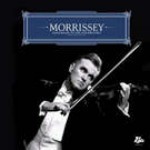
Ringleader of the Tormentors and My Short, Wacky Life As A Morrissey Fan


Yes, I know wacky and Morrissey aren’t supposed to appear in the same sentence. For years, oh, like 20 of them, I avoided becoming a full-fledged Morrissey fan-- and not because I didn’t like his music or his videos. When I read any article about the guy it really bothered me. Most journalists wrote about him with such heavy headed and didactic prose that it turned me off—or they dismissed him in a flippant, acerbic manner. So I listened to the music and avoided the hype.


If I happened to hear a Smiths or Moz song or see a TV appearance or video, I’d watch or listen, but I never made a point of it. I also glanced at every photo of him as I flipped through a mag to get to an article about, oh, Pearl Jam or the Cult (my bad), but never pursued him seriously. I did take a special interest in the Your Arsenal CD cover, however.

Last year, as penance for reviewing a Kelly Osbourne album, I decided I had to review two “smart” guys, so I choose Lou Reed and Morrissey DVDs to atone for my sin.
When I finally got around to viewing the Who Put The M In Manchester? DVD, I noticed that most of the song titles had more words than the lyrics to most hit songs. I also noted, after doing some research, that real people, like journalists, either love and beatify the man, or loathe him with or without any real knowledge of his work. But what about someone, like moi, who never considered the myth, but only the music and the haircut, for years? When finally confronting all this backstory, what questions and comments sprung to mind as a semi-clueless Moz fan watched the video?


“Ok what’s the deal with this guy? Is he celibate? Is he gay?”

“He’s not celibate. Poor guy probably said something in an interview when he was 22 and now everybody expects it him to be celibate.

“Who’s that? Jerry Vale?” a friend of mine asked, glancing at the computer screen as I watched the video.

“No. Enzo Stuarti.” I joked.

Actually, more like a combination of Sinatra, Elvis and Keats. And I found him incredibly sexy in a grown-up way. Excuse me, have you ever heard anything as hot or sexually charged as the second verse of “Jack The Ripper” Yeah, a guy who’s not interested in sex wrote that.

Also, I thought he had was funny as hell when he wasn’t being a lyrical genius and slightly off-key crooner.” Some of the most profound poetry is written by people with pervasive senses of humour.

The funniest bit, however, occurred when Moz mentioned someone named Julia.

“Julia… is that his wife?” I murmured, totally befuddled.” A few minutes later he mentioned someone named Manuel “Who’s Manuel? Is that his boyfriend?

Shortly thereafter, I scouted around, naturally to find out more details about Morrissey’s life and times and buy up, in one fell swoop, his entire back catalouge.

I happened upon a site called Morrissey-solo. It filled me in on history and then some, but sadly with more in-fighting and obscene name calling among boardees than Metal Sludge. Always seems to me that the board will post anything. If a Walmart cashier in Ames, Iowa, says he saw Moz buying pork rinds and lime Kool-Aid, they’ll print that as a news item. The fact-checking on the site news page is somewhat inconsistent.

Turned out the man himself referred to the Board as Solow and adopted another website True-to-you.net, as his official (non-record company) site. The Julia mentioned above, as it turns out, was not his wife, but a rich fan who has attended most of Morrissey's live shows for years.

Brush With Greatness


You see, I’ve always liked the New York Dolls. The first rock band I ever liked fell in love with via Don Kirshner’s Rock Concert just as Moz did in England with Old Grey Whistle Test. I attended a screening of the Arthur Kane documentary New York Doll and I’m sitting there look a few rows in front of me and there it was --the back of his neck. Strangely enough, in the documentary “Importance of Being Morrissey” that’s what Linder Sterling said. “People see the back of his neck and they know it’s him.” I can vouch for that.

“Oh, God! It’s him! What am I gonna do?” Panic set in...

I had a crush on Moz for a week at this point. I’ve had to wait decades before getting close to some rock stars I’ve admired. I’m like “Oh yeah I really look like one of his fans, with my fluffed up yellow blonde hair and so much blush I looked like a piece of candy.” I’m not quite sure what I thought his female fans were supposed to look like. Goth librarians? Sylvia Plath wanna-bes? When the movie ended and everyone filed out. I took a quick look at Moz. Hope I wasn’t grinning like too big of an idiot. As I stepped down the stairs, I thought “Oh God, he’s walking down the stairs across from me at this very moment.” The longest five seconds of my life ensued. “Now you put one foot down on the step, then the other foot,” I coached myself. "Good, now do it again.”

Which brings us to present day. So like a kid, I was really looking forward to Ringleader Of The Tormentors, not knowing what really I was looking forward. Of course, many people were breathless with anticipation, proving that one problem with ardent fans of any entertainer is that they have unrealistic expectations. In many ways, there’s not that much of a difference between an artist’s worst enemies and their best fans.

The hype surrounding ROTT seemed a bit too perfect. The album was recorded in Rome with Tony (T-Rex, Bowie) Visconti producing. Moz found love in Rome and he wrote about it. Our boy was out of L.A. and the mystery was over.

The elegiac, witty lyrics of the Smiths and well, all Moz albums save for Maladjusted and Southpaw Grammar are absent. Don’t put ROTT in the same category as those last two. The verbiage on ROTT is straightforward and for Morrissey, simple and slapdash at first listen. But as they say it’s a grower.To my taste, only one song falls flat after repeated listenings. Only the lyrics of “The Father Who Must Be Killed” still drive me batty. Did he hire a subcontractor for this song? I mean, the premise is fine, but the execution, so to speak, is lacking. It’s the only song without a discernible melody.

ROTT Highlights

Life Is A Pigsty- The seven minute epic, complete with rain and thunder sound effects ominously crashing in the background. The Youngest Was The Most Loved features a children’s choir.

Dear God, Please Help Me
The melancholy organ ,the Ennio Morricone arranged strings,the pleas to the almighty, and the much-touted Explosive kegs between my legs reference, it’s the best track on the album. And yes, you read that lyric right. It’s laughable when printed, but when you hear Moz sing it,it practically drives you to tears. He can do that to you, just with his voice.

You Have Killed Me-poppy radio hit. You don’t even notice the lyric I entered nothing/nothing entered me/til you came with the key after the after the first listen.

I Will See You In Far Off Places, with its Middle Eastern tempo and politically charged lyrics is to ROTT what America Is Not The World was to Quarry. Well, the inside of the CD cover does feature the phrase “Smash Bush” spray painted and discreetly camouflaged on a brick wall.

ROTT doesn’t demand my attention like Vauxhall and I or Viva Hate. Even so, it’s impossible to treat any Morrissey album as mere background noise. Ringleader of the Tormentors gives us a friendlier, more accessible, slightly less miserable Moz, carrying on the torch passed from Quarry and tweaking it a bit. The man can’t remain totally despondent for our amusement forever.


Sunday, April 16, 2006

"Get Your Fat Ass Out Of The Car & Walk 2 Blocks"

When I attended my brother's wedding in suburbuan Chicago last year, I was surprised by the lack of SIDEWALKS. Remember those? In the days before you parked your car and walked two steps from the carport into the house, you had to actually WALK outside in the fresh air and say hi to the neighbors before getting to the front door. Some of my friends didn't believe my "no sidewalk" story, but the link above proves I'm not the only person who's noticed this. Builders and city planners now assume people go from car to house or apartment with no human contact. There's no such thing as a pedestrian anymore. No wonder a huge percentage of Americans are obese and emotionally disconnected from one another. Get your fat ass out of the car and walk 2 blocks to the 7/11, for God's sake!!